
In the fast-paced world of manufacturing, efficiency is key. Industrial refrigeration services play a crucial role in enhancing productivity, reducing costs, and ensuring product quality. Whether you’re managing a food processing plant or a chemical warehouse, understanding how refrigeration services can bolster your operations is essential. Let’s explore the various ways these services make a significant impact.
1. Enhancing Temperature Control
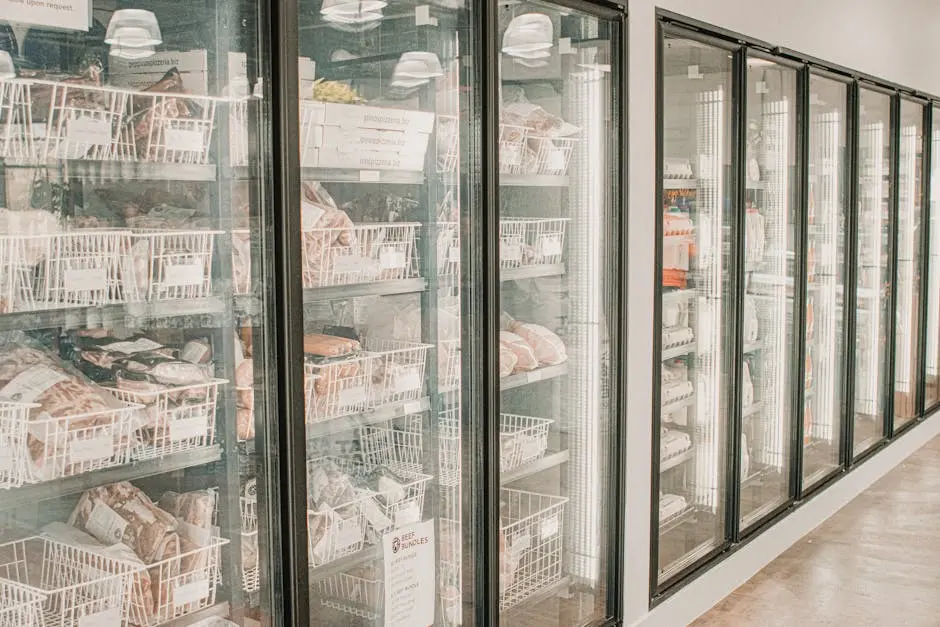
Industrial refrigeration services provide precise temperature control, which is crucial for various manufacturing processes. This stability helps maintain product quality and extends shelf life.
With the right refrigeration solutions, fluctuations that can compromise product integrity are minimized. For example, in industries like food and pharmaceuticals, where temperature sensitivity is paramount, effective refrigeration not only protects products but also prevents costly waste due to spoilage. Furthermore, having reliable temperature control can greatly enhance quality assurance protocols, leading to better customer satisfaction and trust.
In summary, a consistent temperature not only keeps products safe but also aligns with a manufacturer’s commitment to quality. This advantage becomes even more instrumental when scaling operations, as maintaining such control can lead to streamlined processes across larger facilities.
2. Reducing Energy Consumption
Modern refrigeration units are designed for energy efficiency, which can significantly reduce operating costs in manufacturing plants. This translates to lower energy bills and a smaller carbon footprint.
Energy-efficient refrigeration systems often utilize advanced technologies, such as variable speed drives and smart sensors, to optimize performance. By adjusting their operation based on real-time data, these systems reduce wasted energy, thus protecting both plants and the environment. This not only results in economic savings but also supports corporate sustainability goals, creating a win-win situation.
Moreover, less energy consumption can extend equipment lifespan. With industrial refrigeration systems running efficiently, manufacturers are less likely to experience breakdowns or maintenance issues. All of this ultimately leads to smoother operations, benefiting the end product.
3. Minimizing Downtime
Regular maintenance and quick repairs associated with industrial refrigeration services minimize downtime, ensuring that production remains uninterrupted and deadlines are met.
Scheduled maintenance checks are essential for identifying potential issues before they escalate. By investing in proactive service, manufacturers prevent unexpected breakdowns and the delays that follow. For example, implementing predictive maintenance strategies allows companies to anticipate failures and schedule repairs at convenient times, thus avoiding costly disturbances that can halt production lines.
In addition, rapid response to emergencies is another critical aspect of minimizing downtime. Reliable industrial refrigeration service providers ensure that help is just a phone call away, so if something does go wrong, swift action can mitigate losses and maintain workflow.
4. Improving Product Quality
By maintaining optimal refrigeration conditions, manufacturers can ensure that products are stored and transported under ideal circumstances, enhancing overall quality and safety.
This is particularly evident in industries such as food and beverages, where even slight variations in temperature can alter taste, texture, and safety. When products are handled with precision, their integrity is preserved, leading to consistent customer satisfaction.
Moreover, quality improvements can also translate to higher profitability. As manufacturers produce better-quality items, they can often charge a premium price, which can significantly enhance revenue. In today’s competitive market, standing out with high-quality offerings can be the key differentiator.
5. Compliance with Health Standards
Many industries face strict health regulations. Industrial refrigeration services help maintain compliance by keeping products at safe temperatures, thus avoiding potential legal issues.
Adhering to health standards is not just about avoiding penalties; it’s about ensuring the safety of consumers. For manufacturers in the food sector, for instance, failing to maintain proper temperature can lead to contamination and foodborne illnesses, which can devastate a brand’s reputation.
Investing in robust refrigeration solutions ensures that all products meet governmental and industry standards, reassuring both consumers and stakeholders. This commitment to compliance can boost brand trust, ultimately leading to long-term business success.
6. Facilitating Process Automation
Advanced refrigeration systems are integrated with automation technologies, streamlining processes and reducing the need for manual monitoring, which increases operational efficiency.
Automated refrigeration solutions provide real-time monitoring and control, ensuring that manufacturers are always aware of their operational status. These systems can adjust settings automatically based on the production schedule, which not only maximizes efficiency but also diminishes the potential for human error.
As a result, processes become more predictable and reliable. By leveraging technology, manufacturers can focus their workforce on higher-value tasks rather than routine monitoring, ultimately leading to increased productivity and improved workflows.
7. Expanding Capacity Options
With efficient refrigeration solutions, businesses can expand their storage capacity without compromising on safety or quality, allowing for greater production flexibility.
This is particularly advantageous in peak seasons when demand surges unexpectedly. Firms equipped with scalable refrigeration services can promptly adjust their storage needs without the hassle of costly investments in new equipment. This flexibility not only supports immediate production goals but also positions companies favorably for future growth.
Moreover, as manufacturing processes become more complex, having the capability to increase capacity without performance adjustments becomes a competitive edge. It enables a business to respond effectively to market demands while maintaining optimal operational efficiency.
8. Enhancing Overall Sustainability
Utilizing energy-efficient refrigeration systems not only cuts costs but also contributes to broader environmental sustainability goals. This approach showcases a manufacturer’s commitment to responsible production.
Moreover, focusing on sustainability enhances a company’s brand image, appealing to environmentally conscious consumers. Today, many buyers prefer to support organizations that prioritize eco-friendly practices, which means that investing in energy-efficient technologies can directly impact sales.
Additionally, as regulations around energy consumption and emissions tighten, having sustainable refrigeration systems already in place allows companies to stay ahead of the game. This foresighted approach not only ensures compliance but also reduces the risk of struggling to adapt to new laws down the line.