Replacing your HVAC system can feel daunting, but knowing what to expect can make the process much smoother. Whether you’re upgrading for energy efficiency or your current system needs a complete overhaul, having the right information will help you feel prepared and informed every step of the way. In this blog, we’ll guide you through the entire HVAC replacement journey, ensuring that you’re equipped with the knowledge you need for a successful transition.
The Importance of HVAC Replacement
Understanding why you might need an HVAC replacement is the first step. From increasing energy bills to persistent breakdowns, let’s explore the signs that it’s time for a change.
One of the primary reasons homeowners opt for an HVAC replacement is the escalating cost of energy bills. If your system is outdated, it likely consumes more energy than necessary, leading to a noticeable increase in your expenses. This is where a new, energy-efficient system comes into play. Investing in a modern HVAC unit can not only alleviate your financial stress but also reduce your carbon footprint.
Another strong indicator of needing an HVAC replacement is frequent breakdowns. If you’re finding that your old system struggles to maintain a comfortable temperature, or if repairs have become a regular expense, it’s time to reconsider your options. Continuous repairs can add up quickly, turning your HVAC system into a money pit.
Lastly, the push for more eco-friendly living cannot be overlooked. As technology evolves, newer HVAC systems are built with sustainability in mind. Upgrading your unit not only enhances your comfort but also aligns with greener practices. Therefore, if you’ve noticed any of these signs, don’t hesitate—take the leap to a new HVAC system!
Choosing the Right HVAC System for Your Home
Not all HVAC systems are created equal. Here, we’ll discuss the different types available, factors to consider, and how to make the right choice for your household needs.
When it comes to selecting a new HVAC system, one of the first decisions you’ll face is choosing between central air systems and ductless mini-splits. Central systems are ideal for larger homes that require efficient heating and cooling across multiple rooms. They circulate air through ductwork, which can distribute temperature uniformly throughout your spaces. On the other hand, ductless mini-splits offer the benefit of localized control; each indoor unit can set its own temperature, allowing for individualized comfort. Assess your home layout and consider which option aligns with your lifestyle needs.
Another crucial factor is the system’s efficiency rating. Look for units with a high SEER (Seasonal Energy Efficiency Ratio) rating. The higher the SEER rating, the more efficient the system will be, which can ultimately save you money on your energy bills. It’s also worth investigating the HVAC brand reputation, warranty offerings, and the availability of parts and service in your area. A reliable technician can provide insights that might steer your choice towards a system known for longevity and customer satisfaction.
Finally, your budget plays a significant role in this decision. New HVAC systems come with various upfront costs, but remember to consider the long-term savings associated with energy efficiency. Sometimes, it’s worth stretching your initial budget for a system that promises significant returns in the future. Be sure to also get multiple quotes from different installers, as this can provide clarity on the market rates and help you make a well-informed decision.
Preparing for the Installation Day
Preparation is key! This section will guide you through what you need to do before the installation begins, including space clearing and ensuring you have access to your home.
As the installation day approaches, the first step is to create an open and accessible environment for your HVAC technicians. Clear out any furniture or obstructions from areas where the new system will be installed. This not only speeds up the process but also ensures the safety of both the installers and your belongings. If your current system is located in a tight space, consider relocating any necessary items beforehand.
Additionally, it’s a good idea to communicate with the installation team about any particular concerns or requirements you have. For instance, make sure to inform them about the layout of your home, including any pets that might be present. This information allows them to plan accordingly and ensure a smooth installation process, minimizing any disruptions.
Lastly, remember to confirm the installation date and time with your HVAC company a few days before. Life can get hectic, and a quick reminder can ensure that the technicians are scheduled correctly to arrive as planned. This proactive step minimizes the risk of any delays, helping you stay on track for your HVAC replacement.
What Happens During Installation
Curious about the installation process? We’ll break down what to expect on installation day, including timelines and the steps technicians will take to install your new HVAC system.
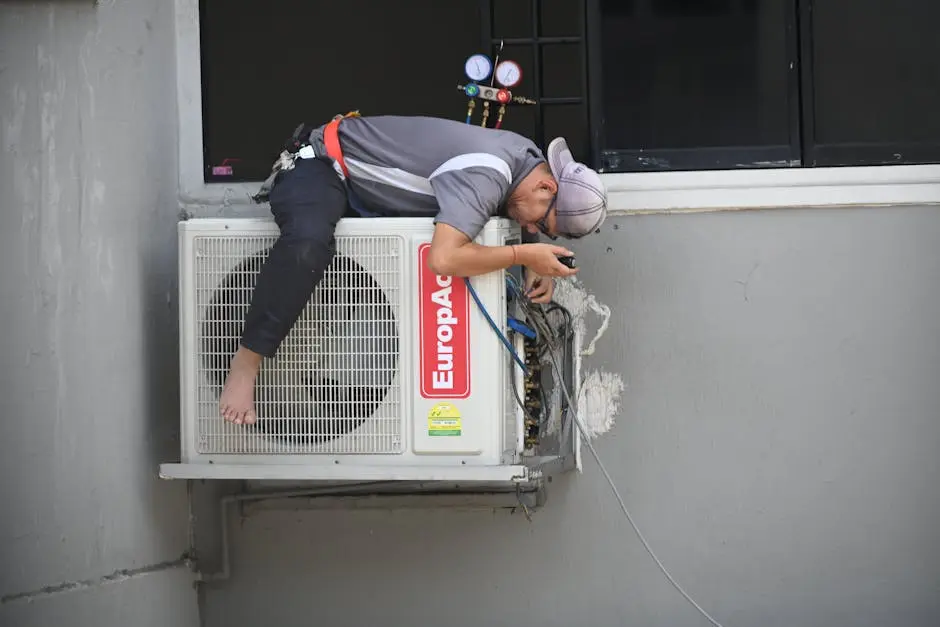
On the big day, the installation team will arrive with all the equipment and materials needed for your new HVAC system. Generally, you can expect the installation to take anywhere from several hours to a full day, depending on the complexity of your job—whether it’s a straight replacement or involves more extensive work, such as new ductwork or electrical upgrades. The first step usually involves removing your old system, followed by prepping the area for the new unit.
Next, the technicians will install your new HVAC unit, ensuring that all connections are secured properly. They will take special care to set the system according to the manufacturer’s specifications, which ensures optimal efficiency. Once installed, the team will run tests to verify that everything is operating as it should. This crucial step helps to catch any potential issues before they become a concern. After completing these checks, they’ll provide you with a rundown of the new system and its features, enhancing your confidence in using it.
Post-Installation: Maintenance Tips and Tricks
Once your new system is in place, proper maintenance is essential. Here, we’ll share expert tips on how to keep your HVAC system running efficiently and extending its lifespan.
To maintain your new HVAC system, begin with a regular maintenance routine. Scheduling professional check-ups at least once a year is highly recommended. During this time, a technician will clean components, check for any wear and tear, and make necessary adjustments to keep everything functioning smoothly. This preventive care can significantly extend the life of your system and enhance its efficiency.
In addition to professional maintenance, keep an eye on the air filters. Clogged filters can impair airflow, reducing the system’s efficiency and putting strain on its components. It’s a good practice to check and replace these filters every few months, or even more frequently if you have pets or live in a dusty area. This simple task can lead to significant improvements in air quality and cost savings.
Lastly, familiarize yourself with the system’s thermostat settings. Understanding how to effectively use the programmable features can help you manage energy costs. Opt for settings that accommodate your schedule, adjusting the temperature when you’re away or asleep. By implementing these easy maintenance tips, you’ll not only enjoy a comfortable environment but also ensure that your HVAC system serves you well for years to come.
Wrapping Up Your HVAC Replacement Journey
In conclusion, an HVAC replacement doesn’t have to be a stressful experience. By understanding the process, selecting the right system, and working with trusted professionals, you can enjoy improved comfort in your home. Remember that this upgrade is an investment in your space—one that will pay off in efficiency, comfort, and peace of mind for years to come.