Keeping your HVAC system in top shape is crucial for comfort and efficiency in your home. But how often should you really schedule maintenance? Here’s a simple guide to help you understand the best practices for HVAC maintenance scheduling.
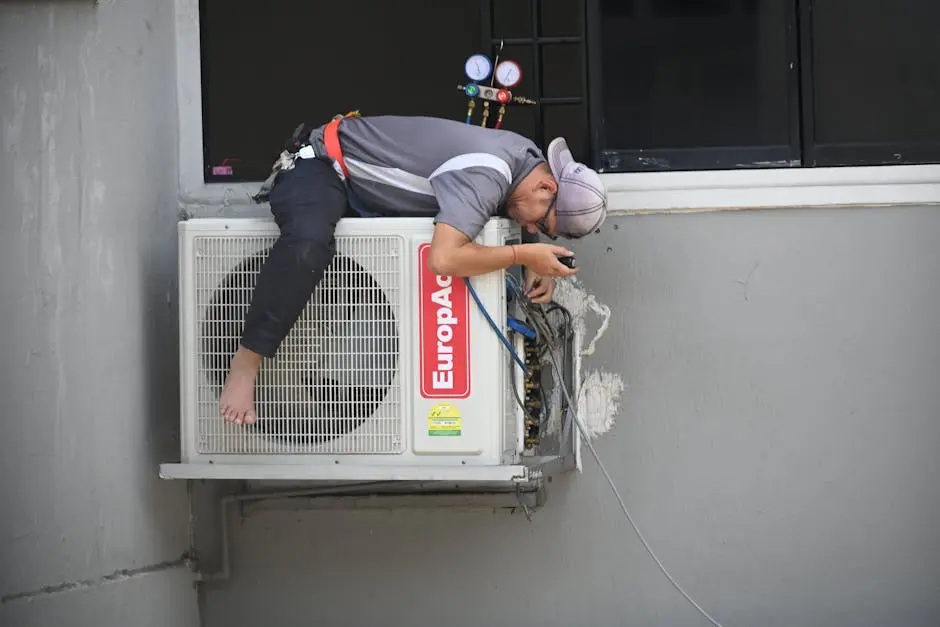
Understand the Manufacturer’s Recommendations
Every HVAC system comes with recommended maintenance schedules from the manufacturer. It’s important to read these guidelines to understand how often you should service your system.
Typically, these recommendations detail an annual servicing cycle, but they can vary based on your system type. Ignoring these could lead to unforeseen issues down the line.
One size does not fit all; therefore, knowing your manufacturer’s specific guidelines helps maintain warranties and optimize performance. Plus, you can catch potential problems early!
Consider Your System Type
Different HVAC systems require varying maintenance frequencies. For example, heat pumps might need servicing twice a year while standard furnaces might only need it annually.
For central air conditioning systems, a yearly check is generally sufficient. However, if you have a multi-zone system, you may want to consider more frequent check-ups.
Understanding your specific HVAC system type can make a huge difference in how quickly you can identify and address maintenance needs. After all, being proactive can save you headaches later.
Evaluate Your Usage Patterns
If your HVAC system runs frequently, or if you have a large household, you may need to schedule maintenance more often than the average home.
Families who rely heavily on their systems—especially in regions with extreme climates—will benefit from twice-yearly checks. Assessing your energy bills can also provide insight into how hard your system works.
In cases where the system is constantly in use, minor adjustments can significantly enhance the efficiency of your unit, leading to long-term savings.
Be Mindful of Seasonal Changes
Ideally, schedule maintenance at the start of both the heating and cooling seasons. This proactive approach helps ensure your system is ready to handle the demands of extreme weather.
Scheduling a simple check before you switch from heating to cooling (and vice versa) can help prevent sudden breakdowns in sweltering heat or biting cold.
By being proactive about seasonal transitions, your HVAC system operates efficiently, which not only keeps your home comfortable but also prolongs the unit’s lifespan.
Watch for Warning Signs
If you notice any unusual noises, inconsistent temperatures, or increased energy bills, it’s time to call in a professional for an inspection, regardless of your usual maintenance schedule.
Being attentive to your system’s performance can help you catch issues early, sometimes before they escalate into much bigger problems.
If something feels off, don’t wait! Addressing small issues now can save you money and inconvenience in the future. Keeping a log of these signs can aid your technician during maintenance checks.
Final Thoughts on HVAC Maintenance
Regular HVAC maintenance is essential for maximizing the lifespan and efficiency of your system. By following these guidelines, you’ll not only save on potential repairs but also ensure a comfortable environment in your home.