Installing an HVAC system can feel overwhelming, but with the right guidance, it doesn’t have to be. Whether you’re a homeowner looking to upgrade or a first-time buyer, understanding the important steps can make the process seamless. Here are seven essential tips to ensure your HVAC installation is successful and efficient.
1. Understand Your HVAC Options
Before diving into installation, it’s essential to familiarize yourself with the various types of HVAC systems available. Research different models, energy efficiencies, and features that best suit your home and lifestyle. You’ll find options ranging from traditional systems to more energy-efficient models, each with unique benefits that could impact your comfort and bills.
Understanding whether you need a heating-only system, a cooling-only system, or a combined unit is vital. Take the climate you live in into consideration; some areas may benefit from heat pumps, while others may require gas or electric furnaces. Remember, the right choice here sets the foundation for a comfortable home.
2. Hire Qualified Professionals
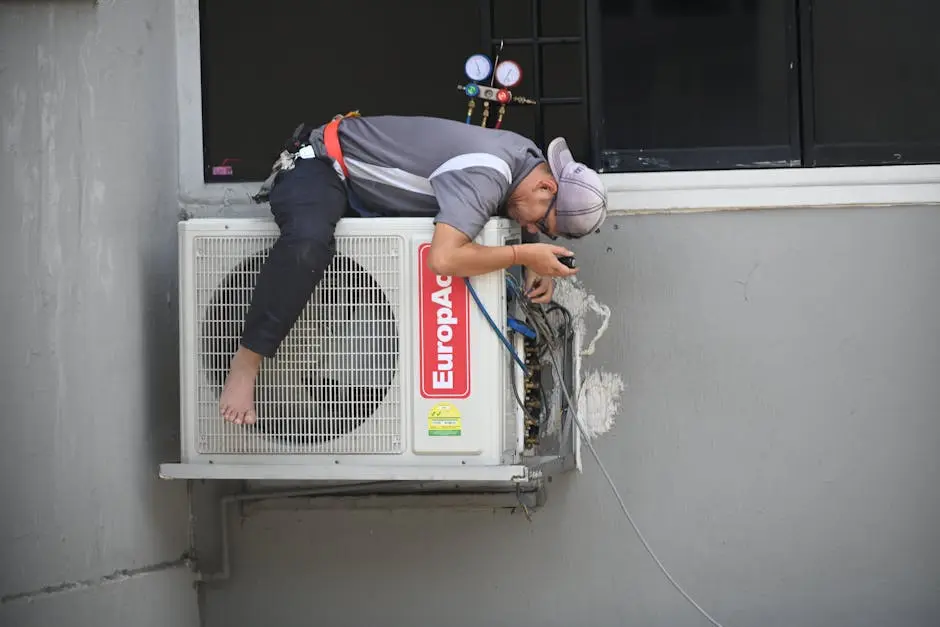
While DIY projects can be fun, HVAC installation is a task best left to certified professionals. Look for licensed contractors with positive reviews and experience to ensure your system is installed correctly and safely. This is an investment in your home, and it deserves the expertise of trained specialists who can navigate the complexities of HVAC technology.
Moreover, a reliable contractor will not only install your HVAC but also provide valuable insights throughout the process. They can assist with equipment selection, ensure compliance with local building codes, and help you avoid pitfalls that could lead to costly mistakes down the line.
3. Choose the Right Size System
One common mistake homeowners make is selecting an HVAC system that’s too large or too small for their space. Proper sizing is crucial for efficiency and comfort, so consult with your contractor to find the perfect fit. An oversized unit may cool your home quickly but can lead to inconsistent temperatures and increased humidity levels.
Conversely, a system that’s too small will struggle to keep up, leading to increased wear and higher energy bills. Make sure the contractor performs a load calculation to accurately determine the BTU (British Thermal Unit) needs of your home. This step may seem tedious, but it’s vital for ensuring your new system runs efficiently.
4. Schedule Proper Maintenance
Once installed, keeping your HVAC system in top shape is vital. Schedule regular maintenance checks to catch any issues early and ensure your system runs efficiently. Simple tasks like changing air filters regularly can significantly extend your HVAC’s lifespan and save you money in the long run.
Most manufacturers recommend a yearly professional tune-up, during which a technician can perform a thorough examination. This not only ensures optimal performance but also keeps your warranty intact. Don’t hesitate to schedule these check-ups; they can save you from unexpected breakdowns when you need your HVAC the most.
5. Consider Smart Technology
Incorporating smart technology can enhance your HVAC system’s efficiency and convenience. Look into programmable thermostats and smart vents that allow for tailored temperature controls. With modern advancements, you can now control your home’s temperature from your smartphone, making adjustments even when you’re miles away.
Smart technology not only contributes to comfort but also to energy savings. Systems equipped with learning capabilities can automatically adjust settings based on your habits, ensuring that energy isn’t wasted. As you explore options, consider how these technologies can fit into your lifestyle for both convenience and savings.
6. Insulate Your Home
Proper insulation plays a significant role in how well your HVAC system performs. Ensure your home is adequately insulated to keep the conditioned air in and reduce energy costs. A well-insulated home can prevent drafts and help maintain consistent temperatures, allowing your HVAC to operate more efficiently.
Don’t overlook areas like attics and basements, as they can often be the culprits of energy loss. By sealing gaps and adding insulation where necessary, you can ensure that your HVAC system isn’t overworked and your home remains comfortable year-round. Investing in insulation is one of the smartest moves you can make for your home’s efficiency.
7. Understand Energy Efficiency Ratings
Familiarize yourself with energy efficiency ratings such as SEER (Seasonal Energy Efficiency Ratio) and EER (Energy Efficiency Ratio) when selecting your HVAC system. Higher ratings typically mean better performance and lower utility bills. When planning your HVAC installation, make energy efficiency a priority; the savings can add up quickly over time.
Additionally, look for energy-efficient models that qualify for tax credits or rebates. These offers can significantly lower the initial cost of your installation, making it an even more attractive investment. Take the time to compare and understand what each rating means, as it can make a big difference in your long-term satisfaction with your new HVAC system.